Clearing Old Floors Before New Material Goes Down
Floor Demolition in Saint Augustine for renovation projects that cannot proceed until damaged or outdated surfaces are removed
Vardis Custom Floors and More removes old flooring in Saint Augustine homes and businesses where worn carpet, cracked tile, or water-damaged laminate needs to come out before new installation begins. You need demolition when your remodel timeline depends on a clean subfloor, when the existing material is glued or nailed down and cannot be lifted without specialized tools, or when layers of old flooring make the floor height incompatible with doorways and trim. Safe removal prevents subfloor damage that would delay the project and add unexpected costs.
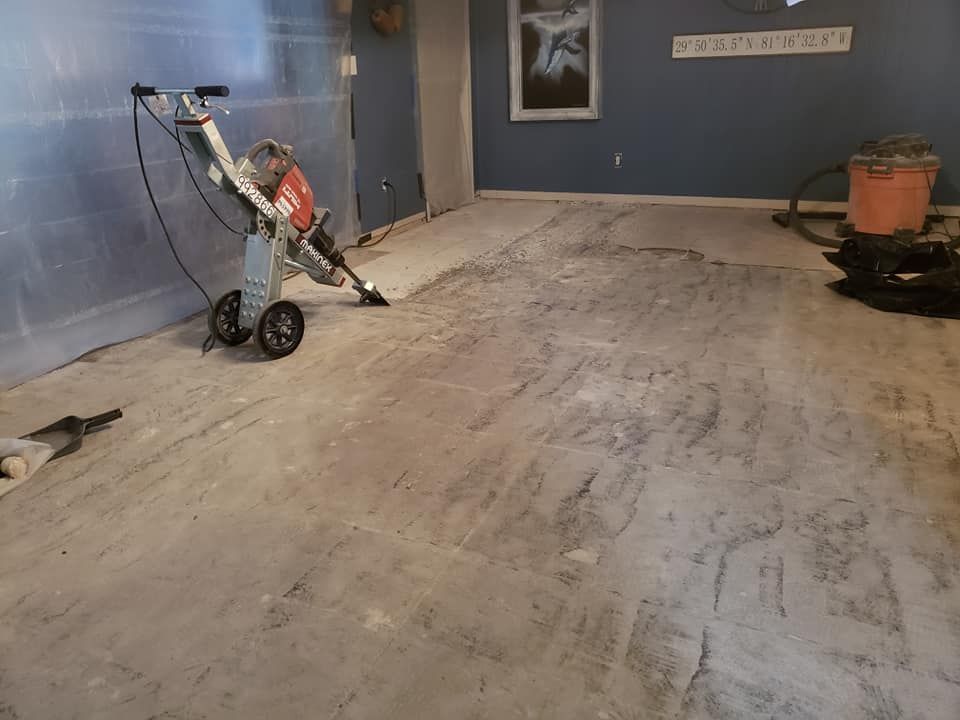
Demolition starts with clearing the room of furniture and protecting baseboards and door frames from accidental damage. Carpet is cut into strips and pulled up with the padding beneath it, staples are pried out, and tack strips are removed from the perimeter. Tile is broken with a chisel or floor scraper, lifted in sections, and the thin-set mortar is scraped away to leave a flat surface. Hardwood is pried up board by board, and nails or staples are extracted. Laminate and vinyl plank are unsnapped or pulled up in sections, depending on the installation method. In coastal areas like Saint Augustine, older flooring often hides moisture damage or subfloor rot that becomes visible only after removal, allowing the installer to address those issues before laying new material.
If your renovation requires flooring removal before installation can start, reach out to Vardis Custom Floors and More to schedule demolition and subfloor inspection.
How Removal Prepares the Surface for What Comes Next
You begin by identifying what type of flooring is being removed and how it was attached. Glued-down materials require scrapers or heat guns to soften adhesive, while floating floors lift out more easily. The crew works section by section, removing debris as they go to keep the workspace clear. A pry bar, floor scraper, hammer, and utility knife are the main tools used to disconnect flooring from the subfloor without gouging or cracking the underlying surface.
After demolition is complete, you see a bare subfloor that is ready for inspection and repair. Any soft spots, loose boards, or moisture stains are visible and can be addressed before new flooring is laid. The surface is swept clean of nails, staples, and adhesive residue, so the new material sits flat and bonds properly. Vardis Custom Floors and More ensures the subfloor is structurally sound and dry, which prevents problems like squeaking, movement, or premature wear after the new floor is installed.
The service does not include disposal of removed materials unless arranged separately. It assumes access to the work area is clear and that utilities like plumbing and electrical are not obstructed by the flooring. You receive a clean, prepared subfloor that allows the next phase of your project to proceed without delays or complications.
What Homeowners Want to Know About Demolition
Clients in Saint Augustine often ask about timing, disposal, and what to do if the subfloor is damaged during removal.
How long does it take to remove flooring from a typical room?
A standard bedroom or living room takes a few hours to a full day, depending on the flooring type and how it was installed, with tile and glued vinyl taking longer than floating laminate or carpet.
What happens if the subfloor is damaged during demolition?
The installer inspects the subfloor after removal and repairs soft spots, replaces rotted sections, or adds underlayment to bring the surface back to level before new flooring is laid.
When should you remove old flooring yourself versus hiring a professional?
You hire a professional when the flooring is glued down, when you lack the tools to pry up nailed hardwood or break up tile, or when you want to avoid damaging the subfloor during removal.
Why does old adhesive need to be scraped off the subfloor?
Adhesive residue creates an uneven surface that prevents new flooring from bonding or laying flat, which leads to gaps, creaking, or premature failure.
How is debris disposed of after removal?
Most installers bag and haul away flooring debris, though disposal may be an additional cost depending on the volume and material type, especially for tile or hardwood that cannot be easily compressed.
Vardis Custom Floors and More offers free estimates for floor demolition and preparation throughout Saint Augustine. Contact the team to discuss your project scope, material type, and scheduling needs before your renovation begins.